





























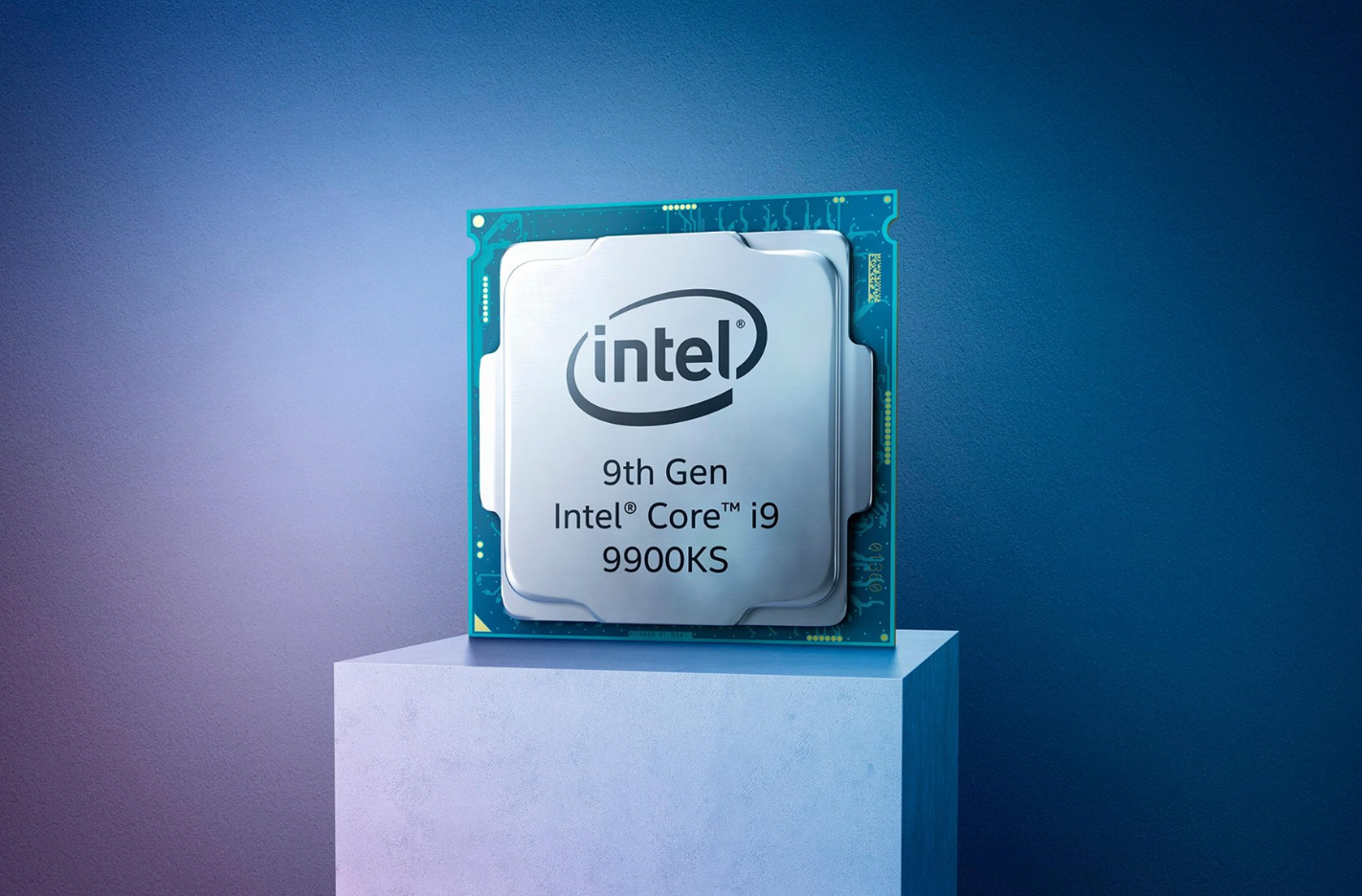
As of early 2026, Intel has moved far beyond its legacy as a “chipmaker.” The company has successfully executed one of the most ambitious industrial turnarounds in history, transforming into the world’s first Systems Foundry. By decoupling its world-class manufacturing from its product design, Intel now operates a massive dual-engine: producing its own legendary processors while simultaneously serving as the high-tech factory for the global semiconductor industry.
The Core of 2026: The “Panther Lake” Revolution
The debut of the Intel Core Ultra Series 3 (codenamed Panther Lake) at CES in January 2026 marked a watershed moment for the “AI PC.” This is the first consumer platform built on the long-awaited Intel 18A process node, a milestone that effectively reclaims Intel’s title as the leader in semiconductor manufacturing.
-
Silicon Efficiency: Series 3 processors utilize RibbonFET (gate-all-around transistors) and PowerVia (backside power delivery). These innovations allow for chips that are significantly thinner and more power-efficient, enabling up to 27 hours of battery life in premium ultrabooks.
-
AI Performance: With the new NPU architecture, Series 3 delivers up to 4x the AI performance of systems from just four years ago. This allows generative AI models, such as large language models (LLMs) and image generators, to run locally with unprecedented speed and privacy.
-
Gaming Leap: Integrated Intel Arc graphics (based on the Xe3 architecture) provide up to a 77% boost in gaming performance over the previous “Lunar Lake” generation, effectively making entry-level dedicated GPUs unnecessary for the majority of mobile gamers.
Intel Foundry: The Western Hub for AI Infrastructure
Intel has spent the last five years building the Intel Foundry business, which is now the cornerstone of global semiconductor sovereignty. Intel Foundry achieved commercial-scale production on the 18A node, attracting massive global partners who previously relied almost exclusively on overseas foundries.
The Systems Foundry Advantage
Unlike traditional foundries that simply “print” chips, Intel’s Systems Foundry approach offers a full stack of capabilities:
-
Advanced Lithography: Utilizing the world’s first High-NA EUV (Extreme Ultraviolet) lithography machines to print features at the angstrom scale.
-
Advanced Packaging: Technologies like Foveros and EMIB allow Intel to stack different types of chips (logic, memory, and I/O) on top of each other, creating “systems-on-a-package” that are far more powerful than single-slice chips.
-
Backside Power Delivery (PowerVia): By moving the power lines to the back of the silicon wafer, Intel has solved the “wiring congestion” that has plagued chip design for decades, allowing for higher speeds and better thermal management.
Accelerating the Data Center: Xeon 6 and Beyond
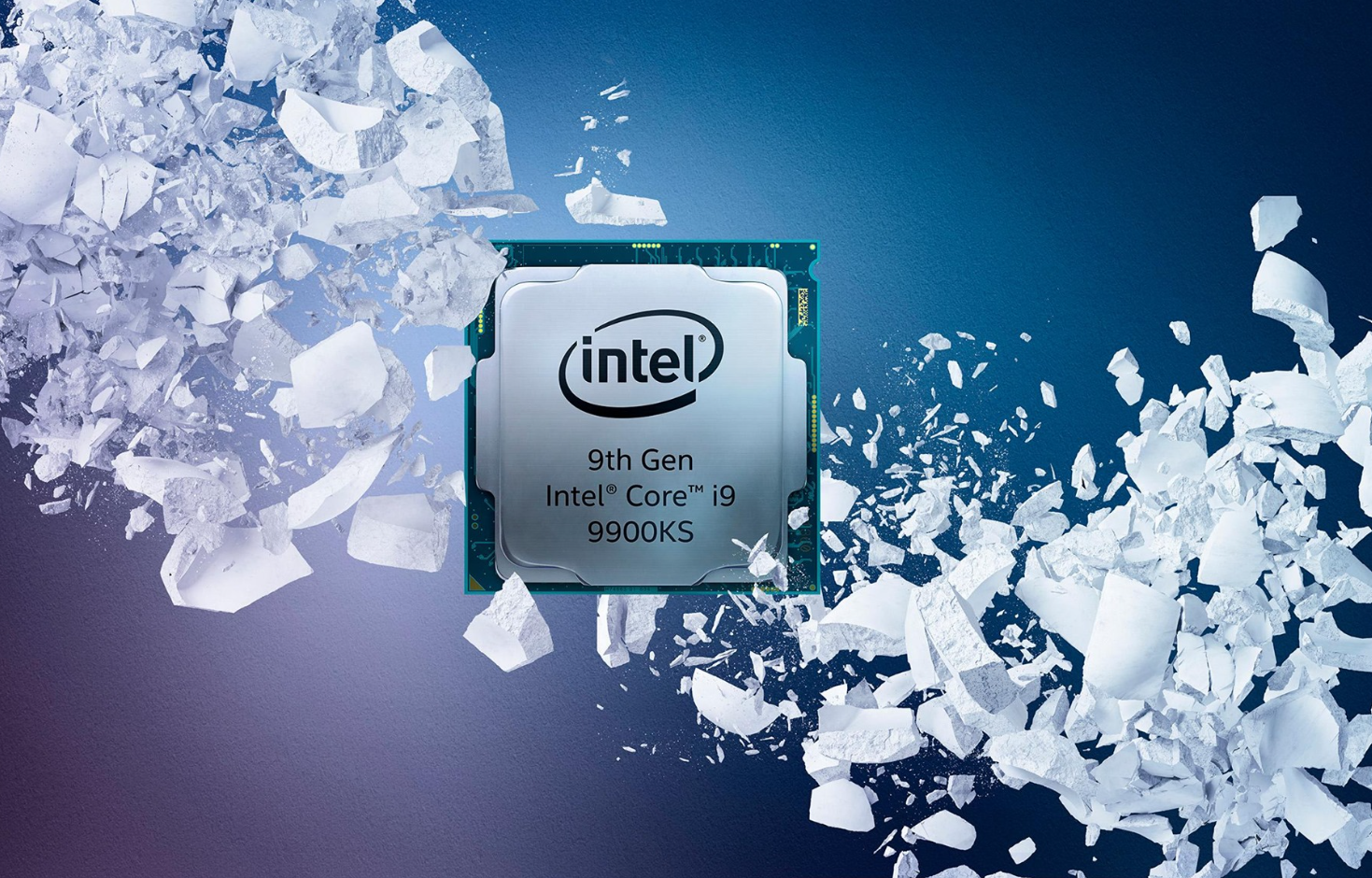
In the enterprise space, Intel has solidified its dominance with the Xeon 6 processor family. Designed for the most demanding data center workloads, these processors are the backbone of the modern “Agentic AI” era.
-
Scalability: Xeon 6 provides the low-latency AI inference needed for workstations and edge systems, as showcased in the recent MLPerf Inference v6.0 benchmarks.
-
Collaborative AI: Intel has deepened its collaboration with cloud giants like Google and security leaders like CrowdStrike to ensure that AI infrastructure is not only fast but secure. The “Silicon-to-Cloud” security model ensures that AI agents can operate safely across enterprise environments.
-
Gaudi 3 AI Accelerators: For heavy-duty AI training, Intel’s Gaudi 3 accelerators offer a cost-effective, high-performance alternative to traditional GPU clusters, providing the compute power necessary for the next generation of LLMs.
Sustainability and Global Impact
Intel has committed to becoming the most sustainable foundry in the industry. As of 2026, the company has reached significant milestones in its “Green Silicon” path:
-
Renewable Energy: Intel now achieves 98% renewable electricity use across its global operations, with locations in Europe, Israel, and Malaysia already at 100%.
-
Net Positive Water: In regions like the U.S. and Costa Rica, Intel is “Net Positive” on water, meaning they restore more freshwater to local watersheds than they consume.
-
Circular Economy: Approximately 66% of manufacturing waste is now upcycled through reuse, recovery, or recycling, significantly reducing the environmental footprint of the semiconductor life cycle.
A Giant Reawakened
Intel is no longer “just inside” your computer; they are building the very fabric of the modern digital world. Through the successful execution of its “5 nodes in 4 years” strategy, Intel has returned to the forefront of innovation. From the 18A silicon in your new AI PC to the advanced packaging in global data centers, Intel has solidified its role as the indispensable foundation of the technology industry.
With a stronger balance sheet highlighted by recent strategic moves like the repurchase of a $14.2 billion interest in its Ireland Fab 34 Intel is positioned to lead the semiconductor race for the next decade.